
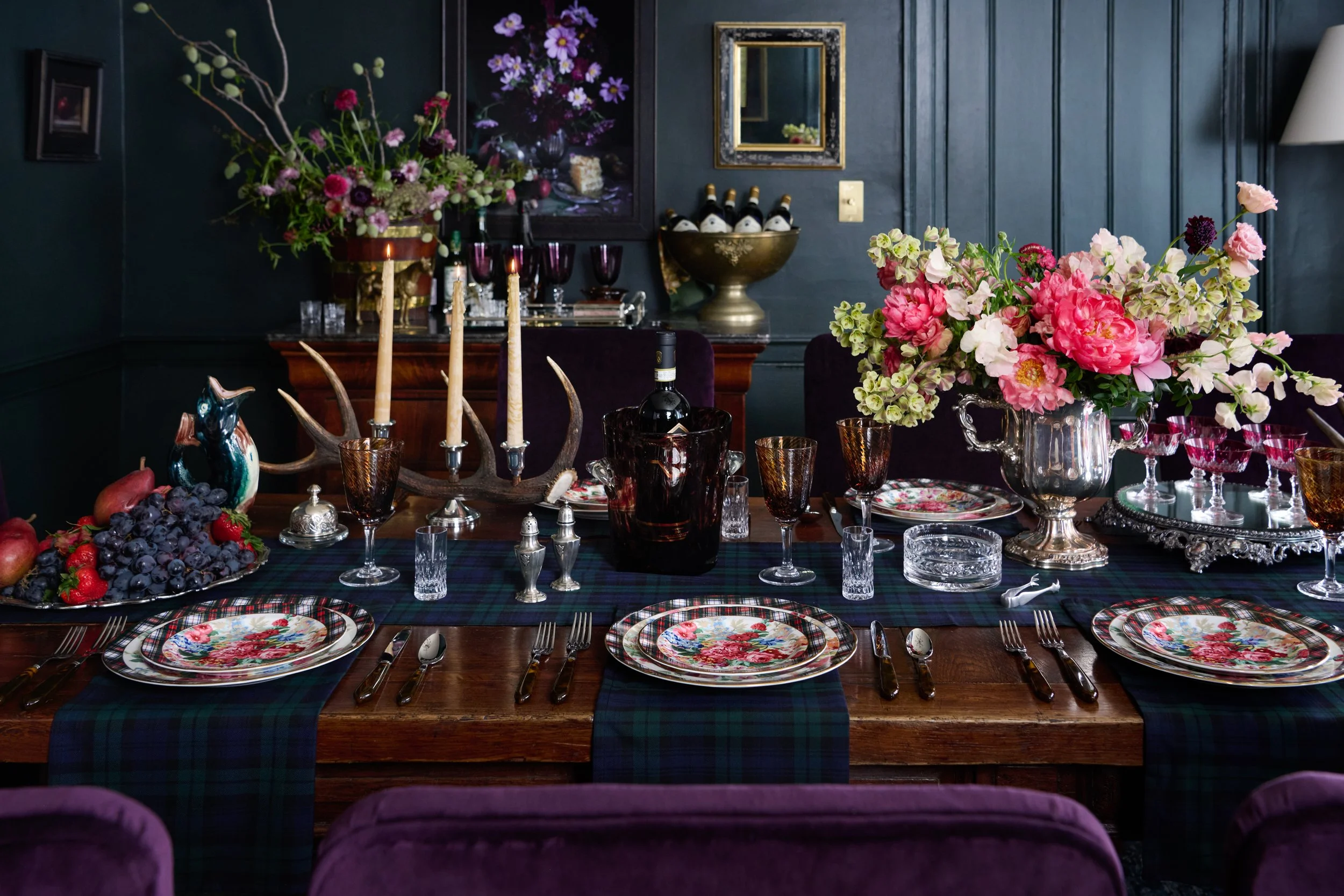
Photo courtesy of WestonTable.com
Why It Matters (For Busy Founders & CEOs)
If you own a luxury decor brand in the United States, 2026 will fundamentally change how customers find, evaluate, and buy from you online.
Here’s what matters most:
Search is becoming conversational—AI tools now answer questions, not just show links
Paid media and SEO must work together to influence AI recommendations
Shopify + AI integrations will reshape ecommerce discovery and product recommendations
Video and visual content will directly drive revenue, not just awareness
First-party data will be the most valuable asset you own
The luxury brands that are quick to adapt will capture a disproportionately larger share of the market. Those that don’t will see rising ad costs paired with declining returns.
The Big Shift Heading Into 2026
Luxury decor buyers are no longer discovering brands the way they did even a year ago.
Instead of typing short keywords into Google, they’re:
Asking AI assistants for recommendations
Discovering products inside search summaries, voice results, and visual feeds
Making decisions before they ever reach a brand’s product page
For brand owners, this means your marketing strategy must evolve from simply driving traffic to shaping answers.
Below are the five digital marketing trends that will define success for luxury decor brands in 2026.
1. Search Is Becoming “Answers,” Not Rankings (AEO + SEO)
Traditional SEO focused on rankings and traffic. In 2026, visibility increasingly depends on whether your brand appears inside AI-generated answers.
This is where Answer Engine Optimization (AEO) comes in.
When potential customers ask:
“What’s the best luxury lighting for a modern coastal home?”
AI platforms pull from:
Well-structured content
Clear brand authority signals
Paid and organic engagement data
If your brand isn’t optimized for answers, you may never be seen—even if your site ranks well.
What This Means for Brand Owners
SEO can no longer be “set it and forget it”
Paid media helps train visibility signals for AI discovery
Structured content (FAQs, guides, comparisons) becomes revenue-critical
In practice, this means your product pages, guides, and FAQs must be written not just for humans, but for AI systems designed to summarize, recommend, and answer on your behalf.
Founder takeaway: Visibility now happens before the click.
2. Paid Media Is Influencing AI Discovery (Even When Clicks Don’t Happen)
Paid ads are no longer just about immediate conversions.
Engagement from paid search, paid social, and video:
Signals relevance to AI platforms
Influences which brands appear in summaries and recommendations
Shapes future discovery paths
This matters deeply for luxury decor, where buyers research extensively before purchasing.
Smart Brands in 2026 Will:
Use paid media to support long-tail, research-based queries
Align paid campaigns with SEO and AEO content
Measure influence beyond last-click attribution
Founder takeaway: Paid media is no longer just a sales lever—it’s a visibility engine.
3. Shopify + AI Is Changing Ecommerce Discovery
Shopify is no longer just enabling ecommerce—it’s actively shaping how products are discovered, recommended, and purchased through AI-driven experiences.
In 2025, Shopify announced a major push toward AI commerce at scale, introducing what it describes as agentic storefronts, systems designed to help AI-powered shopping assistants discover, understand, and transact on behalf of consumers more effectively.
For luxury decor brands, this signals a meaningful shift.
As AI shopping assistants mature, they will increasingly:
Pull directly from Shopify-powered product catalogs
Rely on structured data, clean product metadata, and site architecture
Recommend products inside AI conversations, not just traditional search results
This is especially powerful in luxury decor, where buyers care deeply about context, craftsmanship, and lifestyle fit — not just price.
One of our clients summarized this shift perfectly:
“As we prepare for the next era of online shopping, a core focus has been strengthening our technical SEO foundation—ensuring our site is optimized with accurate alt text, robust schema, and comprehensive sitemaps. This allows AI-driven platforms like ChatGPT and other intelligent agents to effectively discover, understand, and surface our products, while maintaining the Everyday Extraordinary digital experience our guests expect.””
This mindset is exactly what Shopify’s AI roadmap reinforces: brands that invest in technical clarity and content structure today will be easier for AI to recommend tomorrow.
What Brand Owners Should Prepare For
Cleaner product data and structured descriptions
Strong technical SEO foundations (schema, alt text, sitemaps)
Content that clearly explains why your product fits specific spaces and lifestyles
Tight integration between paid ads, on-site content, and commerce data
Founder takeaway: Your Shopify store isn’t just a website anymore—it’s becoming an AI discovery and recommendation engine.
4. Video Becomes a Revenue Channel
(Not Just Branding)
Luxury decor is inherently visual, and video is now directly tied to performance.
By 2026:
Short-form video will drive both discovery and conversion
Shoppable formats will reduce friction
AI platforms will favor brands with strong visual context
For buyers, seeing how a product lives in a real space answers questions faster than any description ever could. But AI platforms reward content that's information-dense and easy to parse, not just visually appealing. That means your brand may need to rethink your video strategy.
Winning Video Content Focuses On:
Real environments instead of styled perfection (builds trust and helps buyers visualize)
Spoken context that AI can index (narration, product names, dimensions—audio transcripts feed discovery)
Answers to specific buyer questions (not "here's our collection" but "here's how this solves your problem, desire, or need")
Founder takeaway: If video isn’t part of your paid strategy, you’re leaving revenue on the table.
5. First-Party Data Becomes Your Competitive Advantage
As privacy regulations and platform changes continue, the brands that scale best will be those that own their customer data.
For luxury decor brands, this includes:
Design consultations
Style quizzes
Personalized lookbooks
Post-purchase engagement insights
This data feeds smarter paid targeting, better personalization, and stronger AI visibility.
AI platforms increasingly favor brands that demonstrate:
High engagement quality
Repeat interactions
Strong audience signals
Founder takeaway: Your customer data is now a growth asset—not just a CRM entry.
What Luxury Decor Brand Owners Should Do Now
1. Align Paid Media, SEO, and AEO
These can no longer operate separately. Paid insights should inform content, and content should reinforce paid performance.
2. Prepare for AI-Driven Discovery
Audit your site and content for:
Clear answers to common buyer questions
Structured FAQs and evergreen guides
Strong brand authority signals
3. Treat Shopify as a Growth Platform
Optimize product data, content, and integrations so your brand is fully AI-ready.
4. Invest in Video With Intent
Build videos that educate, inspire, and convert—not just content that “looks nice.”
Final Thoughts
In 2026, luxury decor marketing isn’t about shouting louder—it’s about being chosen by AI platforms, commerce engines, and buyers earlier in the decision process.
The brands that win won’t necessarily spend more.
They’ll build smarter systems that compound visibility, trust, and performance over time.